News·September 5, 2026·5 min read
Steve Lukather's 1951 Fender Esquire: The Rare Survivor Behind Iconic Sessions
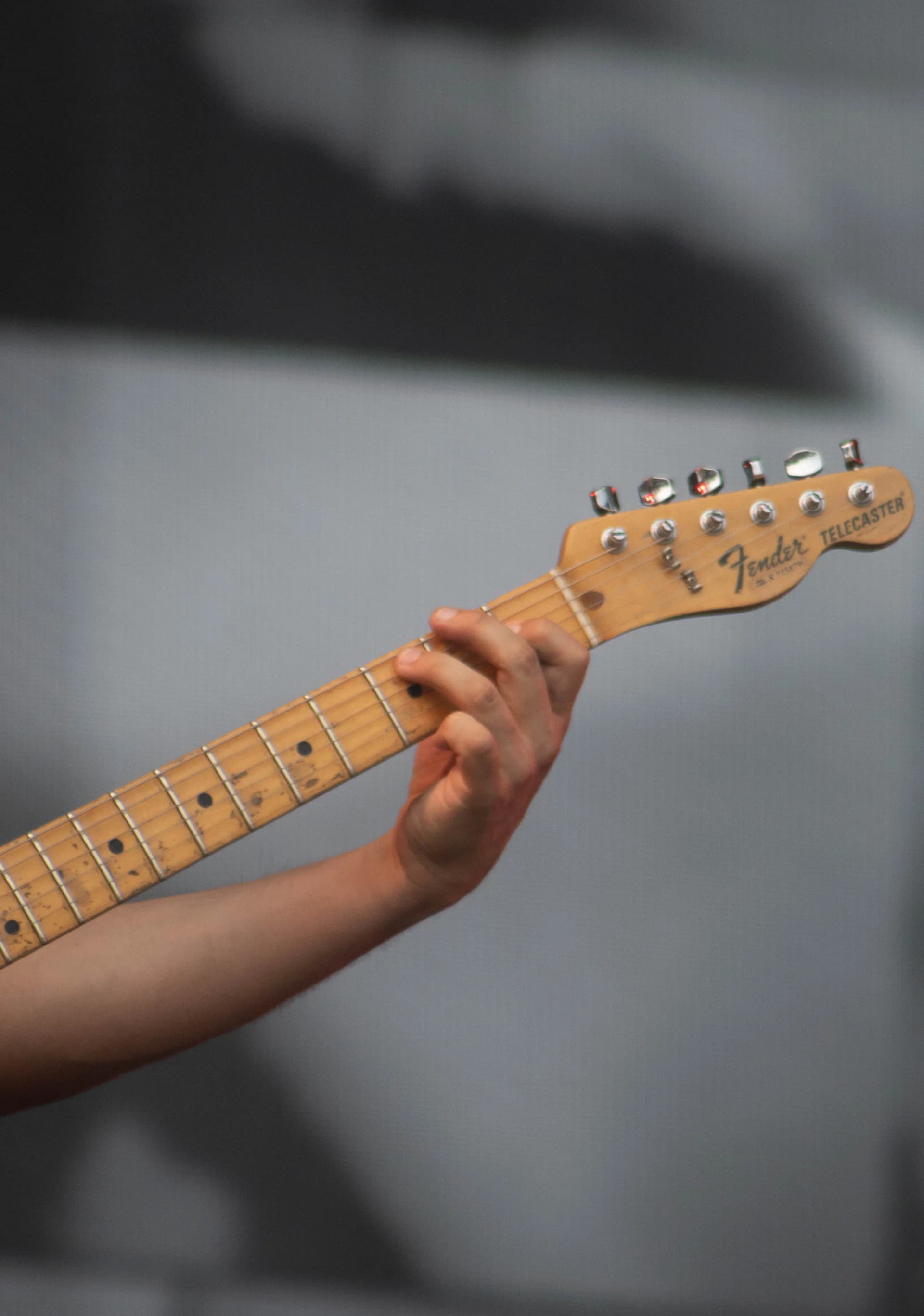
Steve Lukather's 1951 Fender Esquire is one of the few surviving examples of the single-pickup predecessor to the Telecaster that has never been converted or modified. Lukather, best known as the guitarist of Toto, has used the instrument on recording sessions with artists including Joni Mitchell and Dolly Parton. He has described the guitar as his go-to whenever a Telecaster-style tone is needed, saying 'Anything that sounds remotely like a Tele is that Esquire.' The instrument is historically significant because the Esquire predates the Broadcaster and Telecaster and represents the earliest commercial form of Fender's bolt-on, single-cutaway electric guitar design. Surviving examples from 1951 that remain unconverted and in playable condition are exceptionally rare, making Lukather's guitar a notable piece of electric guitar history. The story, reported by Guitar World in September 2026, sheds new light on how early Fender instruments continued to find professional use decades after their manufacture and shaped the sound of major commercial recordings.
What Is Steve Lukather's 1951 Fender Esquire and Why Does It Matter?
Steve Lukather's 1951 Fender Esquire is a rare, unconverted single-pickup electric guitar that the Toto guitarist has used on professional recording sessions with Joni Mitchell and Dolly Parton, and it represents one of the earliest surviving examples of what would eventually become the Fender Telecaster lineage. Guitar World reported this week on the instrument's history and its ongoing role in Lukather's work, revealing details that have significant implications for collectors and historians tracking the earliest Fender production models.
What Makes the Esquire Different from a Telecaster?
The Fender Esquire came before the Broadcaster and the Telecaster. Leo Fender introduced it in 1950 as a single-pickup version of his bolt-on, single-cutaway electric guitar concept, and early examples reached the market in 1951. Because the design was still in development during those first production months, surviving instruments from that period vary in small but meaningful ways from what collectors now recognize as the standard Telecaster format.
Lukather's guitar has never been converted to a two-pickup configuration, which was a common modification made to Esquires over the decades as players sought to match the tonal versatility of the Telecaster. That conversion practice has made fully original, single-pickup Esquires from 1951 genuinely scarce. According to Vintage Guitar Magazine's 2026 market guide, unmodified Fender Esquires from the 1950-1952 period represent some of the most thinly traded instruments in the pre-CBS Fender segment, with fewer than a handful of verified examples changing hands at public auction in any given year.
How Did Lukather Use the Esquire on Professional Sessions?
Lukather was direct about the guitar's role in his recording work. "Anything that sounds remotely like a Tele is that Esquire," he told Guitar World. "It's my impression of Keith Richards." That framing is instructive. Rather than treating the instrument as a museum piece, Lukather has kept it in rotation as a functional session tool, reaching for it whenever a project demands the cutting, twangy midrange character associated with classic Telecaster recordings.
The sessions with Joni Mitchell and Dolly Parton represent a significant portion of Lukather's broader resume as one of the most recorded session guitarists in Los Angeles history. His ability to deliver a wide range of tones efficiently made him a first-call player throughout the late 1970s and into the 1980s, and the Esquire apparently filled a specific tonal niche that no other guitar in his collection could replicate in quite the same way.
This approach - using a historically significant vintage instrument as a working tool rather than a collectible - has become a recurring theme among professional players of Lukather's generation. It also raises an interesting question for collectors: how does active use history affect both the condition and the valuation of an instrument?
What Does This Reveal About Early Fender Production History?
The Guitar World report provides an opportunity to revisit what collectors know about Fender's earliest production output. The company's Fullerton, California facility was operating on a small scale in 1950 and 1951, and total production numbers for the Esquire in its first year were extremely limited. Fender historian Richard Smith has documented that the company produced only around 50 guitars per month across all models during this period, which means the total pool of surviving 1951 Esquires - even before accounting for losses, modifications, and damage over 75 years - was never large.
According to Reverb's 2026 market data, listings for pre-1953 Fender electrics in any configuration have declined by roughly 18 percent compared to the same period in 2024, suggesting that the already thin supply of these instruments is becoming thinner as more examples move into private collections and stay there.
Lukather's guitar has now entered the public record in greater detail than before, which matters for authentication purposes. Provenance documentation tied to specific recording sessions, particularly sessions with verifiable musicians and studio records, adds a layer of historical context that pure condition assessment cannot provide.
Is the Fender Esquire Gaining Recognition Among Collectors in 2026?
The Esquire has historically lived in the shadow of the Telecaster, partly because of its single-pickup limitation and partly because the Telecaster name became so dominant in popular culture. But collector interest in the Esquire has been growing steadily, driven by a broader appreciation for the evolutionary steps in Fender's design history and by high-profile players publicly discussing their Esquires.
Keith Richards, whose name Lukather invoked explicitly, has been associated with Esquire-style playing for decades. That association carries weight with collectors who connect specific tonal signatures to specific instruments. When a player of Lukather's credibility describes his 1951 Esquire as the source of his Telecaster sound across major commercial recordings, it reinforces the instrument's sonic legitimacy and adds another data point to the growing body of evidence that Esquires deserve their own serious consideration within the pre-CBS Fender market.
The BluGuitar AMPX announcement at Guitar Summit 2026 and the ongoing buzz from the Atlanta Vintage Guitar Show 2026 both point to a collector and player community that remains deeply engaged with gear history. Stories like Lukather's Esquire fit neatly into that appetite for instruments with verifiable working histories.
Track Pre-CBS Fender Values on Fretfolio
If you hold a 1950s Fender Esquire or Telecaster in your collection, your Fretfolio collection page pulls in current market data from the Reverb market tracker, giving you a live view of how the thin supply of these instruments is influencing asking prices and completed sales. The provenance angle that Lukather's story highlights is also something you can document directly in your Fretfolio instrument notes, building the kind of detailed ownership record that matters when early Fender production history is this actively discussed.


